El Niño Is Here: What a Wet, Gray Winter Could Mean for Your Veggies
Hey friends,
If you've caught the weather news lately, you've probably heard the words "El Niño" more than once. This year it's a big one, so I wanted to share what it might mean for the farm, and for you.
What is El Niño, anyway?
El Niño is when the ocean along the equator in the Pacific gets warmer than normal. That sounds far away, but it shifts the jet stream, and that changes our weather here in Florida, especially in winter.

Right now NOAA says El Niño is already here and still getting stronger. In their October 8 update, forecasters put the odds of a strong-to-very-strong El Niño lasting through about March at better than 83%, and there's a real chance it ends up one of the strongest on record.

What it usually means for Central Florida
Forecasts are odds, not promises, and no two winters are the same. But here's what El Niño winters have tended to bring us:

More rain. NOAA's winter outlook gives Florida and the Southeast the best odds in the country for a wetter-than-normal winter. Past El Niño winters have been noticeably rainier than usual around the state.
More clouds and cooler days. Highs often run a few degrees below normal because of all the clouds, while nights stay closer to normal. That said, NOAA is currently leaning toward near-normal temperatures for our part of the state, and some past strong El Niños were actually mild.
Stormier weather. More storms tend to roll across the peninsula, which means a higher chance of heavy rain, strong winds and even tornadoes.
Freezes are still possible. El Niño doesn't erase freeze risk. A strong storm can drag cold air down behind it, so we'll still be watching for cold snaps, including late ones in early spring. We're really hoping we don't get a freeze like last year 🤞
What that means on the farm
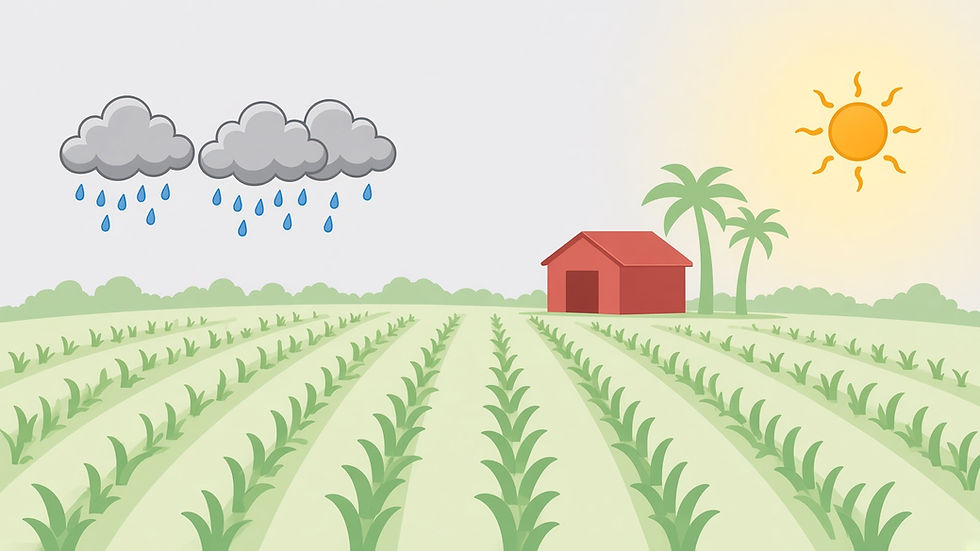
So far this fall has definitely been different from last year. We've had rain off and on for long stretches, with about 30 rainy days since September compared to around 21 last fall, though the total rainfall has actually been a little lower. The nights are finally starting to cool off too, after a warm start to October.

Plants love sunshine, and a cloudy, soggy winter slows them down. Wet leaves and cool, damp air are also a perfect setup for plant diseases, especially on crops like tomatoes, peppers and squash.
Luckily, our ground drains really well, so hopefully the rain won't be much of an issue for us.
There's good news too. Florida has been dealing with drought, and a wet winter could really help refill our groundwater and lakes. Our cool-season crops like broccoli, cauliflower, lettuces and root crops generally don't mind cooler weather.
What it means for you

Markets: Our first farmers market of the season will be before Thanksgiving, and we'll share the exact date as it gets closer. We can't wait to see you! If a market gets canceled because of weather, reach out to us through the chat on our website or by email, and we'll have everything available for you to preorder online for pickup.
U-Pick days: Our fields drain quickly, so wet ground won't keep you from picking. If it's actually raining on a U-Pick day, though, we'll move it to another day and let you know.
Timing: With fewer sunny days, our produce may be ready a little later than expected this season, so thanks for your patience!
Farm stand: It's opening soon! Days and hours will vary, but we're aiming to be open twice a week for a few hours at a time.
The best way to stay in the loop is to follow us on Instagram at @ecofriendly_farms and sign up for our email list on our website, ecofriendlyfarm.org. If the weather changes our plans, that's where you'll hear about it first.
Farming in Florida always means rolling with whatever the sky hands us and Florida is just one big swamp. Thanks for sticking with us, rain or shine.
See you at the market or farm stand,
Bo
Comments